Esports Management Minor
Get into the business of competitive gaming. Shawnee State's Esports Management Minor — 21 credit hours covering marketing, broadcasting, event planning, and the operational side of esports — gives you a real foundation for the industry that's reshaping entertainment and media.
Program Overview
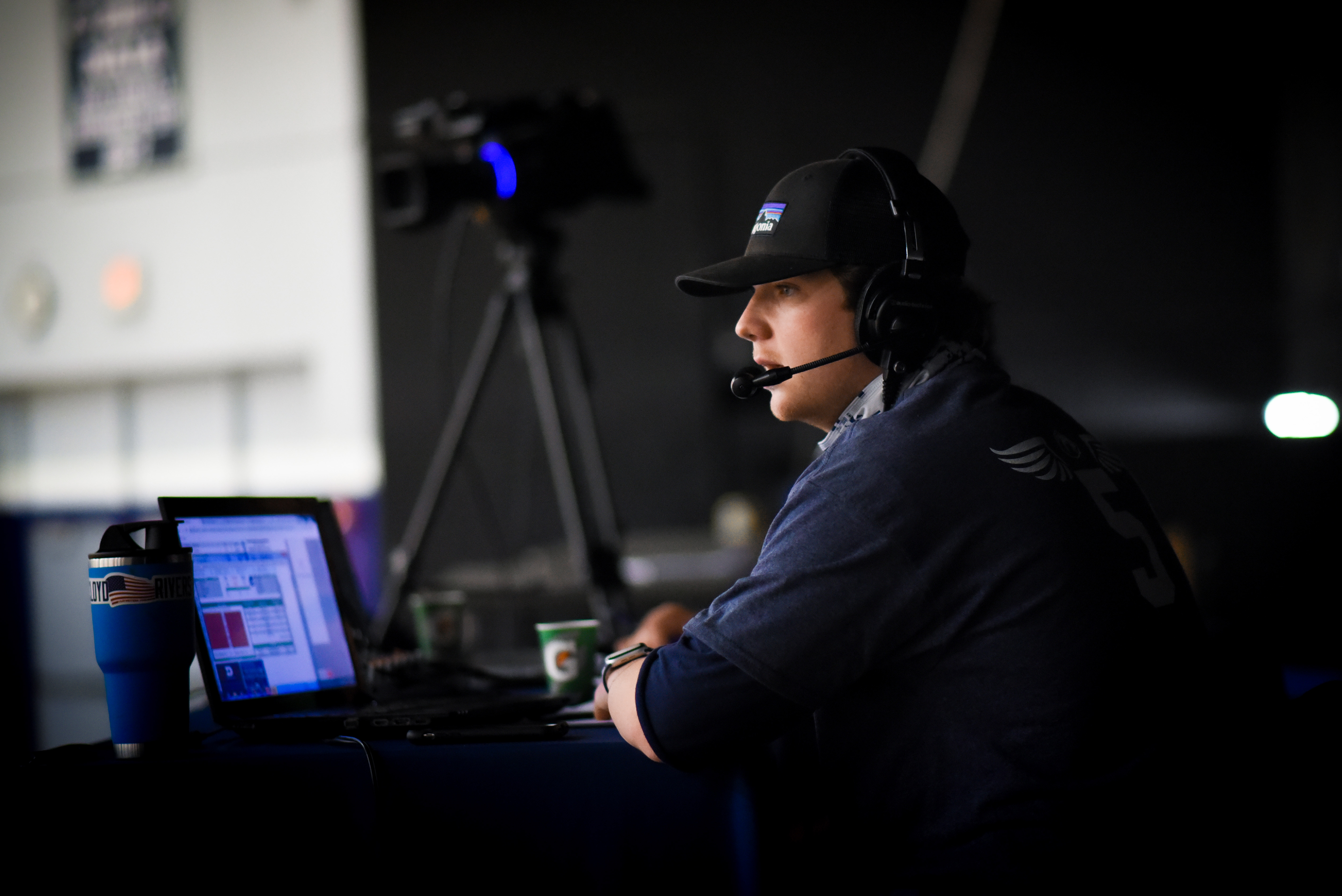
Shawnee State’s Esports Management Minor introduces students to the business and operational side of competitive gaming. Through coursework in marketing, broadcasting, event planning, and sales, students build a strong foundation for entering the esports industry. The minor explores what sets esports apart from traditional sports while providing hands-on experience in areas like content creation, team coordination, licensing compliance, and audience engagement. Whether you're a gamer, creator, or business-minded leader, this minor program prepares you to succeed in an industry that’s transforming entertainment and media.
At A Glance
Esports Management Minor
Degree
Minor
Format
On-campus
Length
Typically completed alongside a bachelor's degree
Credits
21
Class Size
12:1
Location
Advanced Technology Center, Main Campus
Why Study Esports Management Minor at Shawnee University
Esports is one of the fastest-growing entertainment industries — and most of the jobs are on the business side, not the player side.
You'll learn the parts that actually run a team or league: marketing, broadcasting, event planning, content creation, and compliance.
Hands-on work includes content creation, team coordination, and audience engagement — not just lectures about the industry.
The minor is 21 credit hours of required coursework that combines business, design, and esports-specific skills:
- ARTS 1101 – Two-Dimensional Foundations
- ARTS 1105 – Digital Foundations
- ARTG 1501 – Game Studio
- BUMK 3100 – Marketing Principles
- ECON 2201 – Principles of Microeconomics
- ESPT 2000 – Intro to Esports & Competitive Gaming
- ESPT 2500 – Esports Broadcasting & Content Creation
Esports Management Minor Frequently Asked Questions
21 credit hours of required coursework spanning business, design, and esports-specific courses.
No. The minor focuses on the business and operational side. Caring about the industry helps, but you don't have to compete to work in esports.
Roles in streaming, content creation, league operations, marketing, event production, and esports team management.
