Dance Minor
Train across ballet, jazz, tap, and modern — and bring choreography, history, and performance into the work — at the Vern Riffe Center for the Arts.
Program Overview
Career Outcomes
At A Glance
Dance Minor
Degree
Minor
Format
On campus
Length
Complete alongside your major
Credits
Minimum 15
Class Size
12:1
Location
Main Campus, Vern Riffe Center for the Arts
Why Study Dance Minor at Shawnee University
You'll train in the Vern Riffe Center for the Arts — performance studios built for serious dance work, not a corner of a gym.
The curriculum spans multiple styles — ballet, jazz, tap, and modern — so you graduate with a range, not a single technique.
You'll study choreography and dance history alongside studio work, so you understand the art and the business of the field.
A performance practicum gives you stage time and a chance to put what you're learning in front of an audience.
Faculty bring professional training and continue to work in the field, which keeps the studio honest and current.
The Dance Minor requires a minimum of 15 credit hours in dance, blending technique courses, choreography, history, and a performance practicum.
- Technique courses across ballet, jazz, tap, and modern
- Choreography — composition and movement design
- Dance history — context for the work you're doing
- Performance practicum — stage experience and reflection
The Dance Minor is a strong fit for students:
- Interested in performing arts careers (dance, theater, musical theater)
- Pursuing related fields — education, communication, marketing — who want a performance background
- Considering the business or production side of dance and the arts
- Looking for a serious creative practice alongside their major
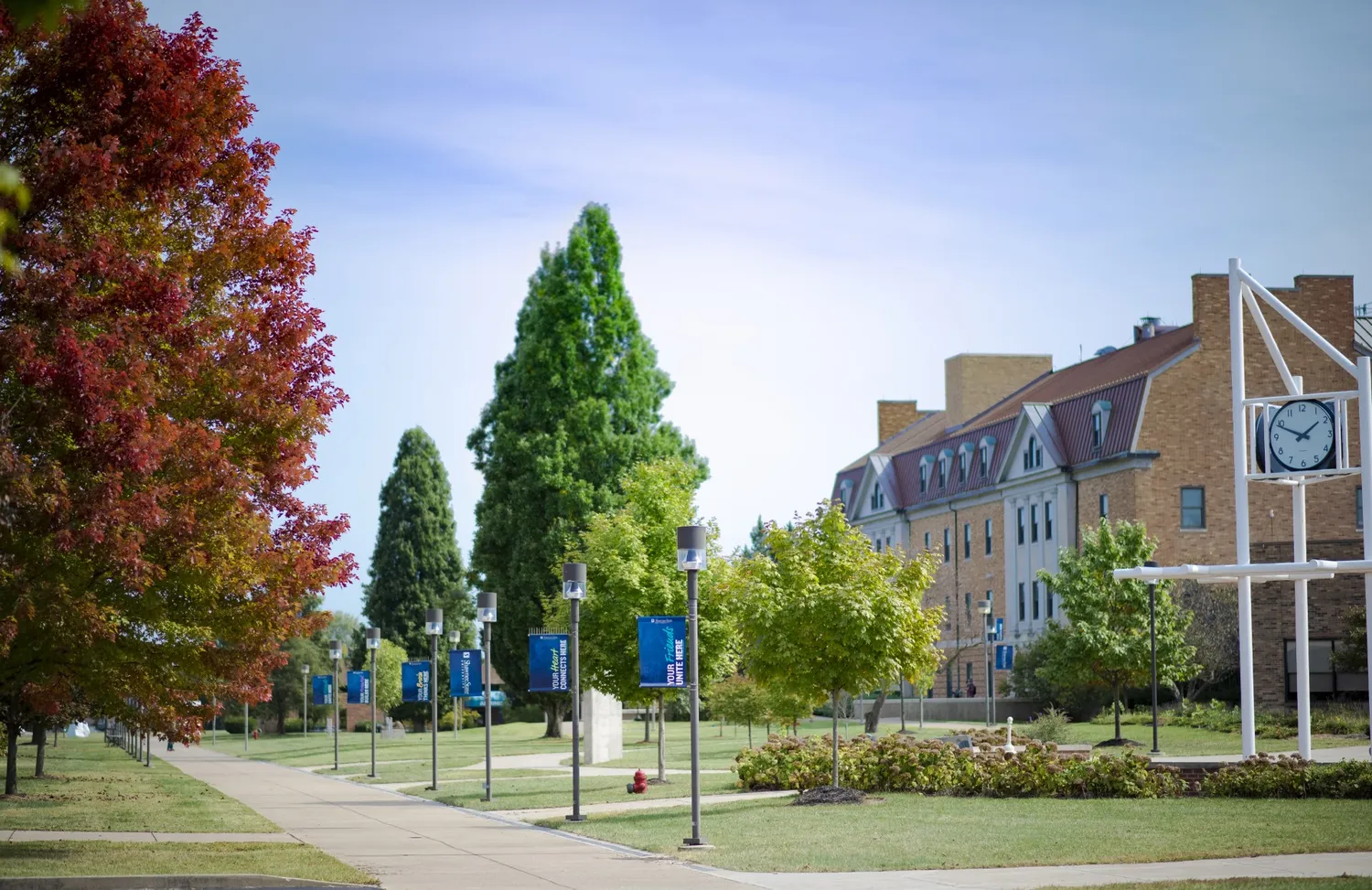
Classes and rehearsals are held at the Vern Riffe Center for the Arts on the Shawnee State campus in Portsmouth, Ohio.
Dance Minor Frequently Asked Questions
Some training helps, especially for technique courses. Talk with the department before declaring so you can place into the right level.
The minor builds craft, breadth, and stage experience. Most performance careers also rely on professional auditions and continued training — the department can advise on that path.
Yes. The performance practicum and departmental productions give you stage opportunities throughout the minor.
Absolutely. Many students pair the Dance Minor with theater, music, or communication coursework — talk with your advisor about scheduling.
