Biology
Earn your B.S. in Biology at Shawnee State. Choose a Biomedical Sciences or Organismal Biology track, work in labs and the field, and prepare for healthcare, research, or graduate study.
Program Overview
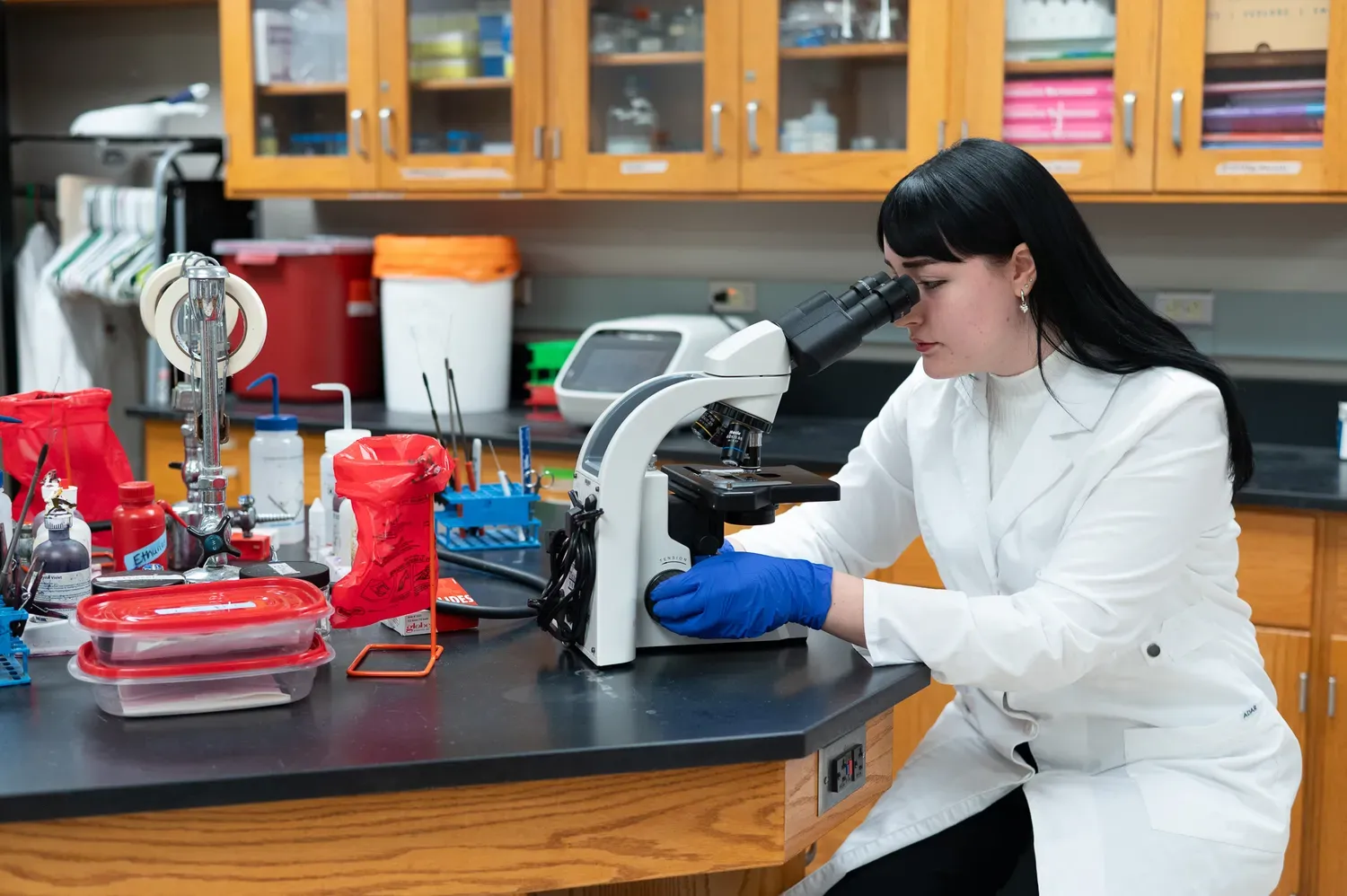
At Shawnee State University, our bachelor’s in biology offers students a solid foundation in biological science while allowing flexibility to explore a wide variety of specialized topics. Whether you’re interested in human health, the environment, or lab-based research, this program provides you with the knowledge and skills to succeed in many scientific and professional fields.
The BS in biology's track-based structure sets the SSU program apart by allowing students to create their coursework for their future goals. Choose from the biomedical sciences track- ideal for pre-medical, dental, veterinary, or research careers - or the organismal biology track, which provides a broad exploration of life sciences from ecology to zoology.
Our BS biology program is affordable, flexible, and career-focused. Graduates go on to pursue opportunities in healthcare, environmental sciences, and more.
Career Outcomes
How to Apply
-
Start your application
Free, takes about 15 minutes.
-
Send transcripts
Have your high school guidance counselor send them to admissions@shawnee.edu
-
File the FAFSA
School code 009942. Required for Free Tuition.
-
Get your decision
Most decisions in under 7 days.
At A Glance
Biology
Degree
B.S.
Format
On Campus
Length
4 years (full-time)
Credits
120
Why Study Biology at Shawnee University
Two tracks, one degree. Pick the Biomedical Sciences track to prep for medical, dental, vet, or pharmacy school, or the Organismal Biology track for ecology, zoology, and conservation.
Hands-on research. You can work alongside faculty on undergraduate research projects and present at conferences while you're still an undergrad.
Real-world partners. Internships and field work tie into regional labs, conservation groups, environmental agencies, and healthcare providers.
Personalized advising. Small class sizes mean faculty know what you want next and help you map a course plan around it.
Get involved. Join our Pre-Med club or our Tri-Beta Club, the Xi Upsilon chapter of the βββ National Biological Honor Society.
The 120-credit degree blends general education with a strong biology core, supporting math and science courses, and electives that can shape the degree to your goals.
- General Education Program (31 credits)
- Biology core and electives (28-53 credits, depending on track)
- Math and support sciences (25-34 credits), including chemistry, physics, and calculus or trigonometry
- General electives (9-32 credits) to add a minor or deepen a focus
- Core biology examples: General Biology I & II, Genetics and Molecular Biology, Cell Biology
- Support sciences examples: General Chemistry I & II, Intro to Organic Chemistry, Trigonometry
You'll cover cellular biology, genetics, evolution, and the scientific method, and you'll get plenty of practice designing experiments and interpreting data.
View the full curriculum and sample schedule in the Academic CatalogBiology majors spend real time in labs, the field, and faculty research groups. You'll have a shot at internships with local medical centers, environmental agencies, and conservation organizations, plus chances to present at scientific meetings.
- Field-based research opportunities are available for students, including a two-week research trip to Costa-Rica that occurs during Spring/Summer.
- Demonstrate foundational knowledge of biological principles and processes
- Design and execute experiments using the scientific method
- Access, interpret, and evaluate scientific literature
- Communicate research findings clearly in writing and out loud
- Operate scientific instruments across multiple sub-disciplines
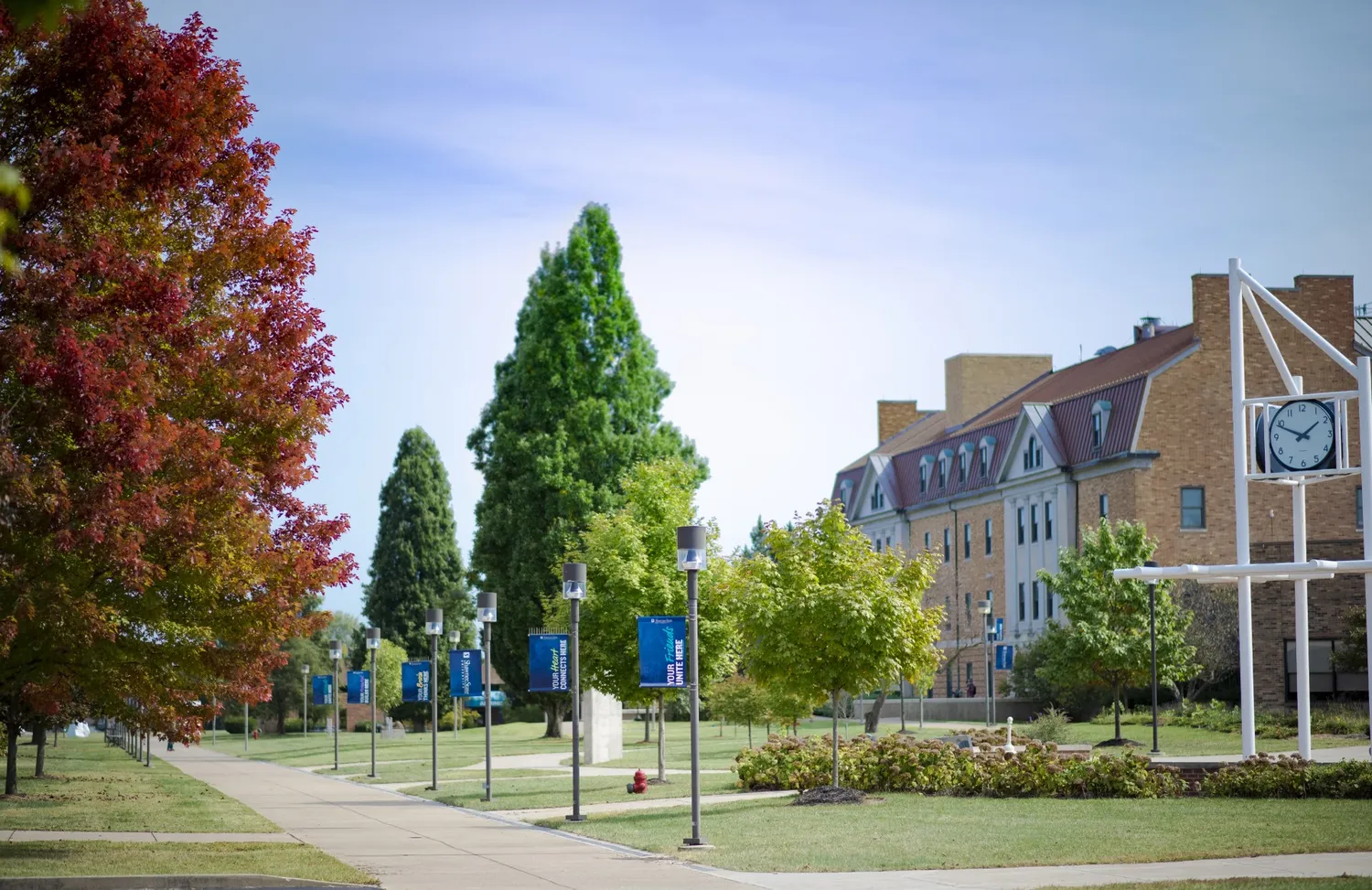
On campus at Shawnee State University in Portsmouth, Ohio. You'll work in modern lab facilities in Massie Hall and gain field experience through regional partners.
- Laboratory technician or research associate
- Environmental consultant or field biologist
- Wildlife or conservation biologist
- Healthcare graduate study (medicine, dentistry, optometry, pharmacy, PA)
- Graduate study in biological sciences, biomedical research, or education
Biology graduates work across healthcare, biotech, environmental science, government, and education. Many go on to graduate or professional school.
Tuition and Financial Aid
Shawnee State’s tuition is among the lowest in Ohio, and the Shawnee Advantage Tuition Guarantee keeps your rate flat for four years. Scholarships including Choose Ohio First and the Pell-Eligible Free Tuition Program may also apply.
Biology Frequently Asked Questions
Graduates work as lab technicians, environmental consultants, wildlife biologists, and research scientists, and many continue on to medical, dental, vet, or graduate school.
Yes. The Biomedical Sciences track is built specifically to cover pre-med and other professional school prerequisites.
Yes. Biology majors are encouraged to work on faculty-led projects or external internships, and many do.
Program handbook
Contact the Department of Natural Sciences for the current biology program handbook.
Accreditation
Shawnee State University is accredited by the Higher Learning Commission (HLC).
